


What is a cloud GTM platform? How to choose one for Microsoft Marketplace
Updated 7 Nov 2026
The short answer. A cloud GTM (go-to-market) platform is software that helps a software company list its product on a cloud marketplace such as Microsoft Marketplace, run the orders and payouts, and work with the cloud provider's own sellers. G2, a software review site, describes the category as tools to list, transact and co-sell on cloud marketplaces from one platform. Most cover several marketplaces, and a few cover one. We recommend choosing by the marketplaces you need, how deep the help goes on each, and whether you also want help finding buyers.
In plain words. The marketplace is the shop where your customer buys. The platform is the back office and sales support behind it. It sets up your listing, builds the special-price offers, matches payments to orders, and helps you get in front of the cloud company's salespeople.
Get the complete guide to Microsoft FY27 Marketplace Incentives
Every Microsoft incentive for software companies: what it pays, who qualifies and how to claim it.
Download the e-book →
Does this apply to you?
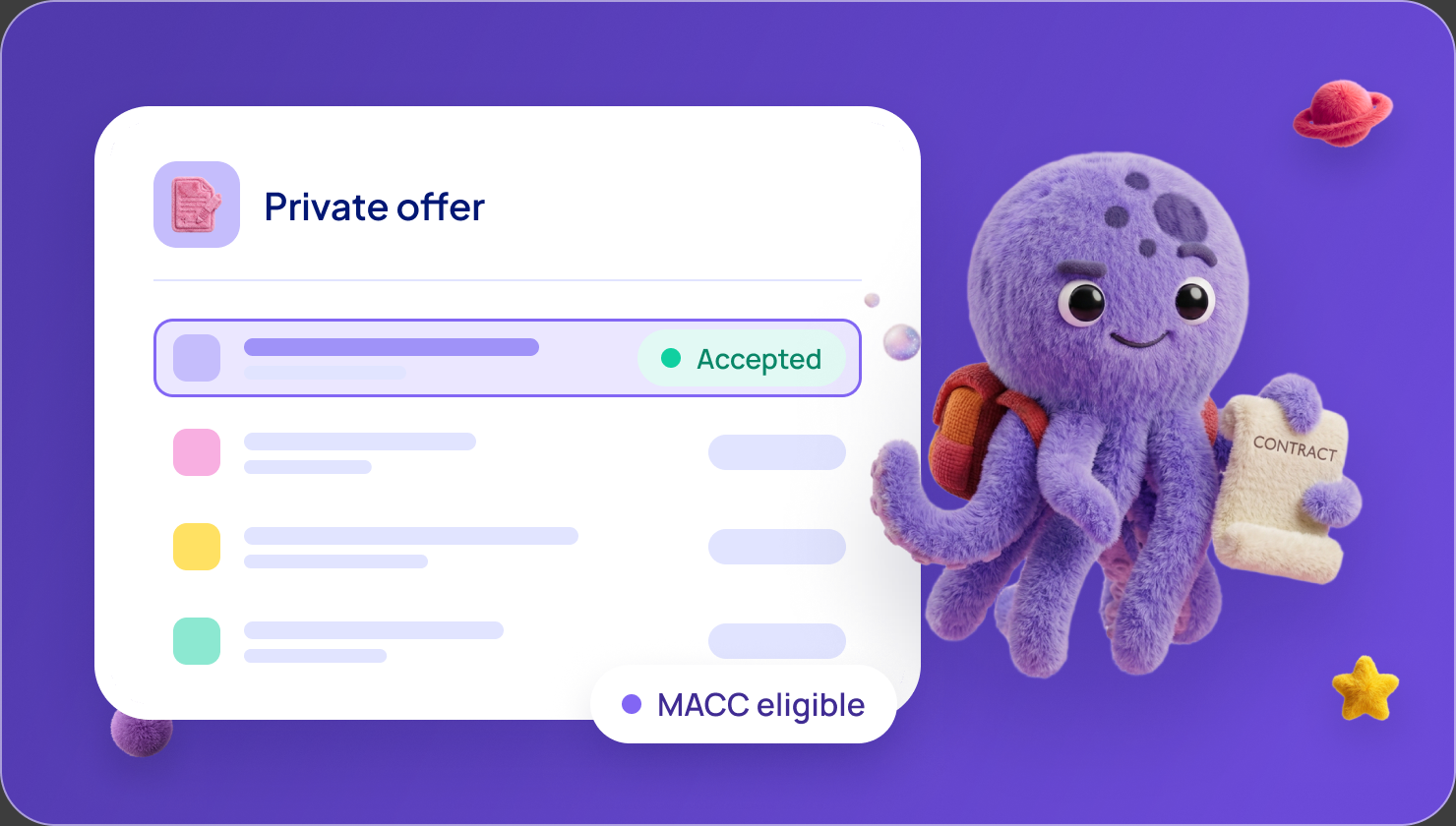
Probably yes, if you sell software to businesses, you have a Microsoft Marketplace listing or plan one, and do not want your engineers or finance team learning Partner Center screen by screen. Partner Center is Microsoft's admin website for listings, offers and payouts. It also fits if your larger customers have promised Microsoft a spending budget called a MACC.
Not yet, if you have not decided whether a cloud marketplace suits your customers. Start with Azure Marketplace vs AWS Marketplace: which to choose, then come back.
Be careful, if you compare vendors using their own web pages alone. We are one of the platforms in this category, so treat our advice as a vendor's view. The comparison below relies on each vendor's own public words.
What a cloud GTM platform is, in plain words
GTM means go-to-market: how you find and win customers. A cloud marketplace is the store run by a cloud company such as Microsoft, AWS or Google Cloud. Businesses can buy software there using the cloud agreement they already have.
A cloud GTM platform sits between your company and that store. Tackle says it coined the term. G2 requires products in the category to align sellers with marketplaces and partner networks, give a single dashboard for reporting, and offer advisory support.
Two naming traps:
- "Marketplace platform" often means software for building your own marketplace, which is a different product.
- "Co-sell platform" usually means a tool for managing joint selling and partner programs.
The three jobs
Every platform in the category does some mix of three jobs. Vendors differ in how much of each they cover.
Job 1: publish and operate
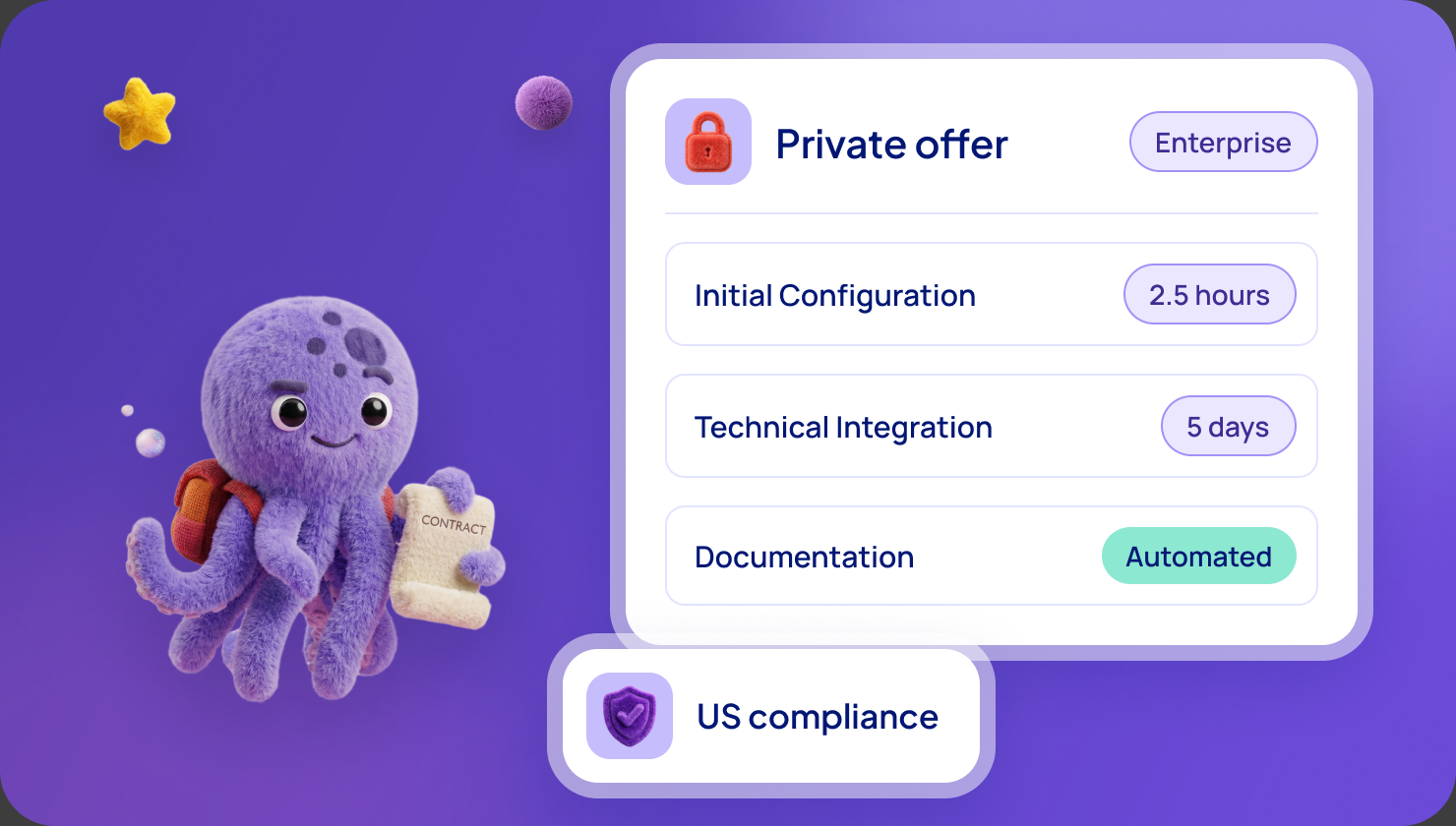
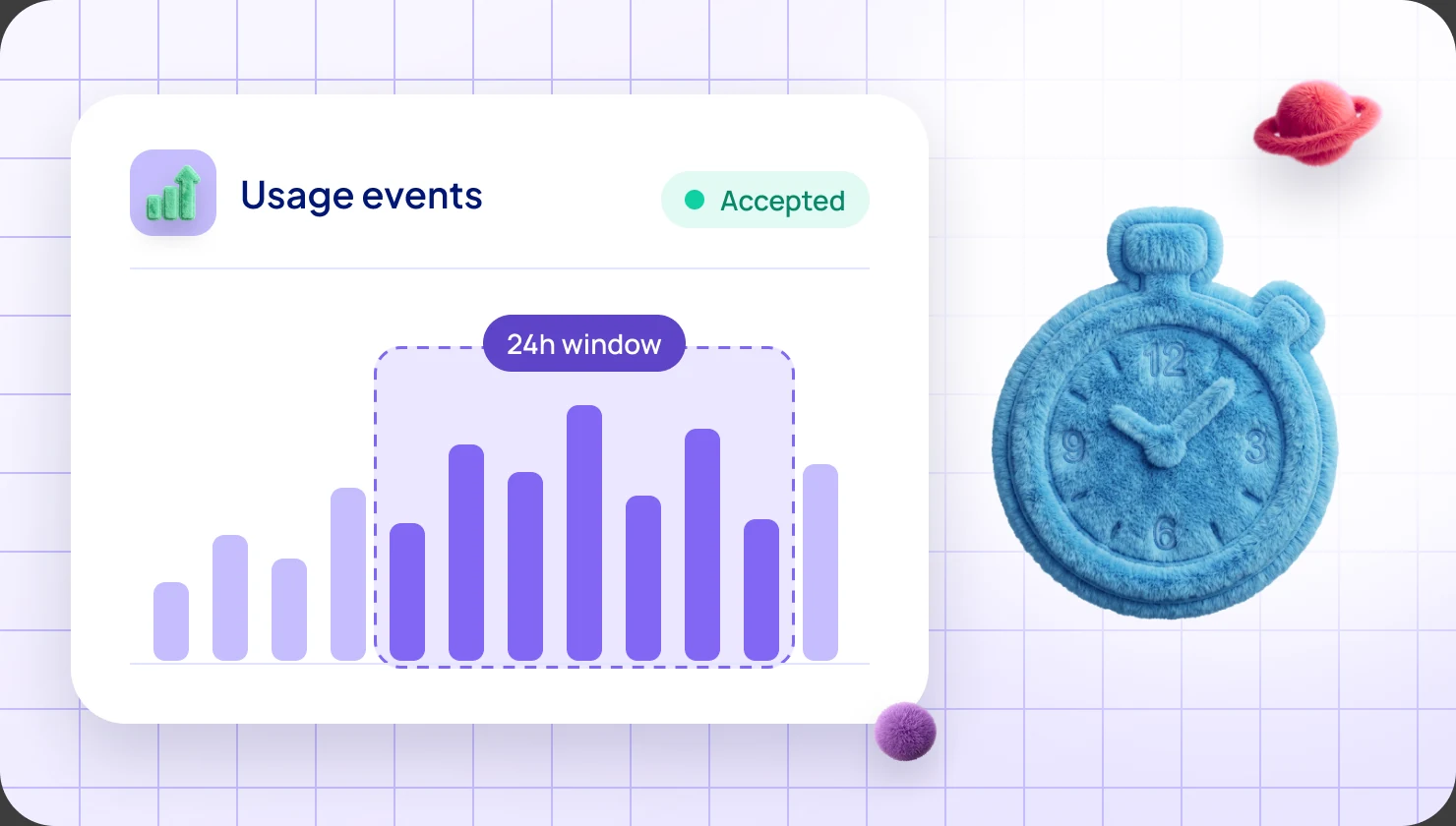
This is the technical work. It means turning your product into a transactable offer, which is one that Microsoft bills, collects payment for, and pays you for. It also means private offers (a custom price and terms for one customer), usage-based billing, matching orders to payouts, and syncing with your CRM.
You do not strictly need a vendor for this. Microsoft publishes programming interfaces for fulfillment, metered billing, private offers and payouts, plus co-sell connectors for Salesforce and Dynamics 365. Even platform vendors say building yourself can make sense if you have engineers with marketplace experience, spare capacity and unusual needs.
Microsoft keeps a 3% store service fee on each sale, separate from any platform fee.
Job 2: sell with the cloud provider's sellers
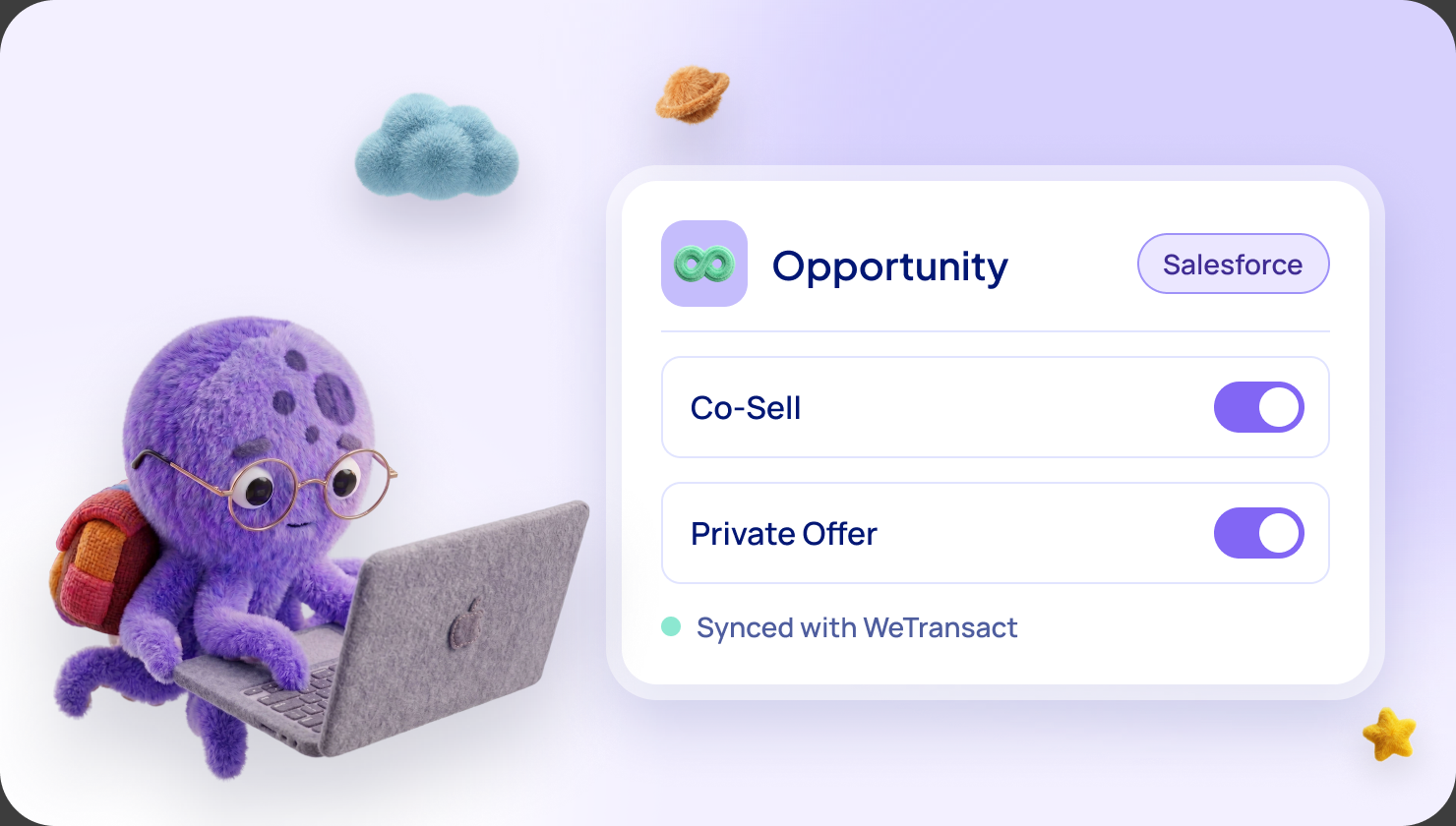
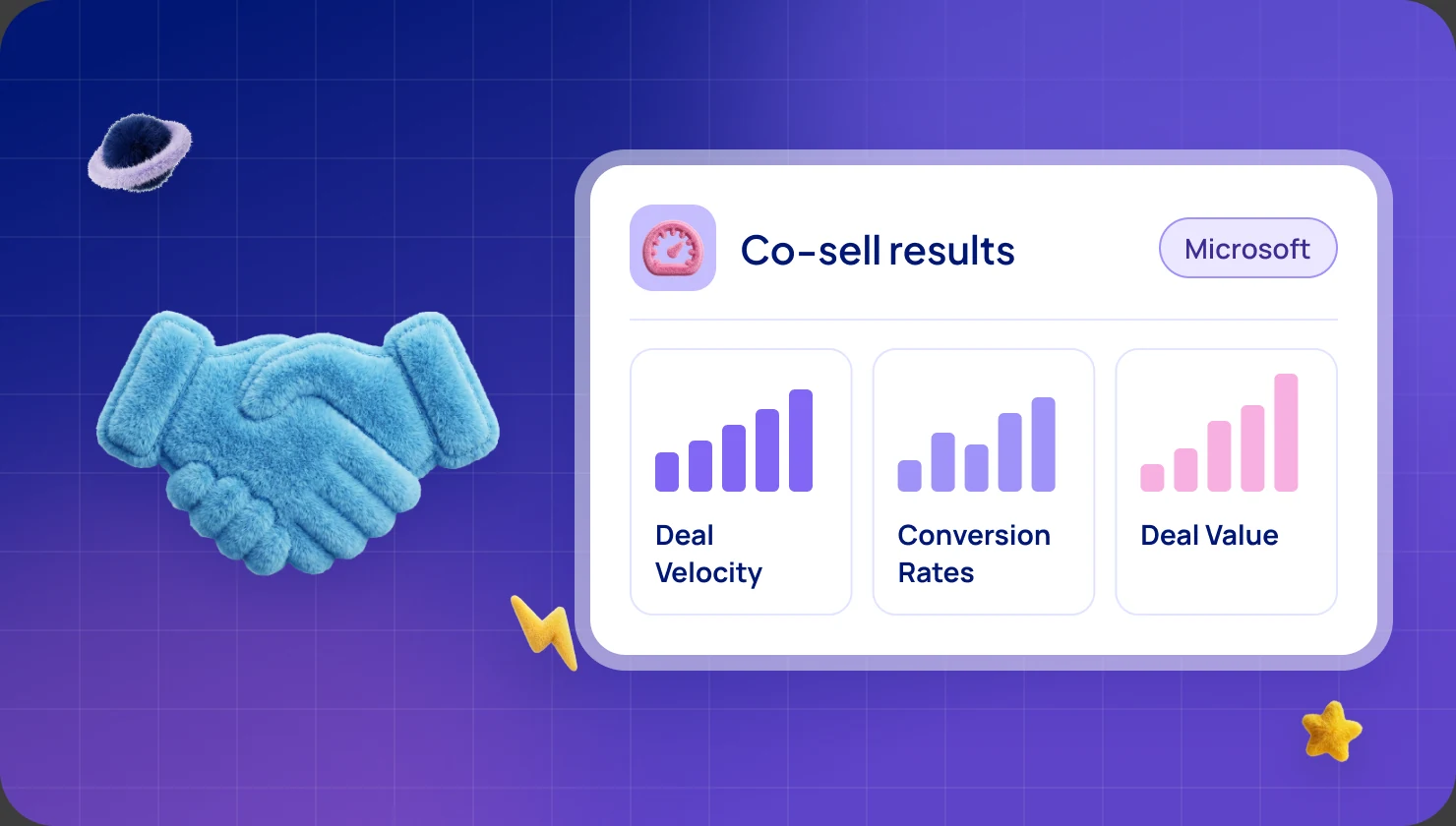
Co-sell means selling together with Microsoft's own sales team. Microsoft sellers introduce your software to customers they already manage. Microsoft's FY27 guidance says a Marketplace deal with an eligible partner counts toward the seller's own target, so they have a reason to help.
Microsoft's co-sell requirements include a transactable offer, Microsoft technical validation, and a $100,000 threshold of billed sales or Azure use. Microsoft alone decides whether you are eligible. We can help you prepare the evidence.
After that, you register each deal. A Microsoft seller then has 14 days to decide whether to take part, and taking part is not guaranteed. For the full rules, read our Microsoft co-sell guide.
Platforms differ. Some sync deals from your CRM, some show which customers have budget and who the Microsoft seller is, and some run outreach to those sellers. None can make a seller say yes.
Job 3: build a partner channel
CSP stands for Cloud Solution Provider, Microsoft's program for partners that resell its cloud. A CSP private offer lets you set a reseller's price and terms. Fewer platforms cover this job, and finding resellers is slow work. See channel partners on Azure Marketplace.
To be fair to skeptics: we tell customers to expect a 3 to 5% reply rate from cold emails to 100 or more resellers. Warm introductions work far better. We suggest margins from about 10% for implementation-heavy partners to 30 to 40% for a full channel play.
What the category looks like today
G2, a software review site, files these tools under Cloud GTM Platforms and lists about 20 of them. Other tools exist, including partner-management software. We show five that we think you are most likely to compare, ours first because this is our post.
For the others, we use only what each vendor says publicly.
WeTransact (us)
We are a platform built only for Microsoft Marketplace. It covers four jobs: publish, manage, co-sell and resell. Offers go live in about 5 days, in three sprints, with about 2 hours of hands-on time from your team.
Microsoft is all we do, and that focus shows. 1 in 10 SaaS offers on Microsoft Marketplace already run on WeTransact. Microsoft Marketplace is one of the most complex marketplaces, so a team that only does Microsoft can give deeper technical support on Partner Center and offer setup.
Then we help you grow. Our tool finds the companies that have a MACC budget and the right Microsoft seller on each account, the account manager who owns it. We run the outreach to those sellers, and our team helps with the connection to Microsoft, which in our experience often helps our customers win deals. If you want one tool for several clouds, we are not the right fit.
Fours (formerly Suger)
Fours describes itself as a cloud GTM platform for selling and billing through cloud marketplaces. It covers six: AWS, Microsoft, Google Cloud, Snowflake, Alibaba Cloud and Oracle.
Its site lists listings, private and partner-led offers, co-sell sync from your CRM, channel and partner portal tools, metering, billing, reconciliation and ERP sync.
In our view, Fours is the strongest alternative for Microsoft Marketplace. It is strong at automating listing and day-to-day operations, and it suits teams that sell on several marketplaces. We are different because we also help you find customers, and we bring depth on the Microsoft ecosystem and its sellers: Microsoft is all we do.
Tackle
Tackle describes itself as an end-to-end platform for marketplace and co-sell work, and says it coined the term "cloud GTM". It covers AWS, Google Cloud and Microsoft.
Its site lists listings with a metering interface, private offers, co-sell registration tied to Salesforce, buyer-intent data, cross-cloud reporting and advisory services.
It suits teams that want cloud selling inside Salesforce and one broad suite for several clouds. Ask what is included in the platform and what is a paid service.
Labra
Labra's own site could not be read, so we rely on how directories describe it: marketplace listings without engineering work, plus CRM-linked co-sell approvals and analytics across AWS, Azure and Google Cloud.
It suits teams that want listings handled with little engineering effort. Ask directly how deep its Microsoft support goes, and what onboarding help is included.
Clazar
Clazar describes itself as a cloud sales acceleration platform for AWS, Azure and Google Cloud.
Its site lists listings (including moving existing ones), private offers sent from Salesforce or HubSpot, co-sell opportunities created from your CRM, analytics, metering and a no-code automation builder.
It suits teams that sell on all three big clouds and work from Salesforce or HubSpot. The page we read does not describe reseller features, so ask if you want a partner channel.
Which cloud first, and single-cloud or multi-cloud?
If you want to sell to large enterprises, we think Microsoft is the natural favorite, because it counts the biggest companies in the world as customers. Microsoft says 95% of Fortune 500 companies are on Azure.
Then ask whether you need one platform for several clouds or a specialist. Neither suits everyone.
A multi-cloud platform may fit better if:
- You sell, or expect to sell, on two or three marketplaces soon. One multi-cloud vendor argues most software companies add a second within 18 months, but that is a vendor claim.
- Your customers are split across clouds.
- Finance wants one view of orders and payouts across marketplaces.
We recommend a specialist if Microsoft is your first or main marketplace and your target customers run on Microsoft. Depth matters because Microsoft's rules are specific, and mistakes cost money:
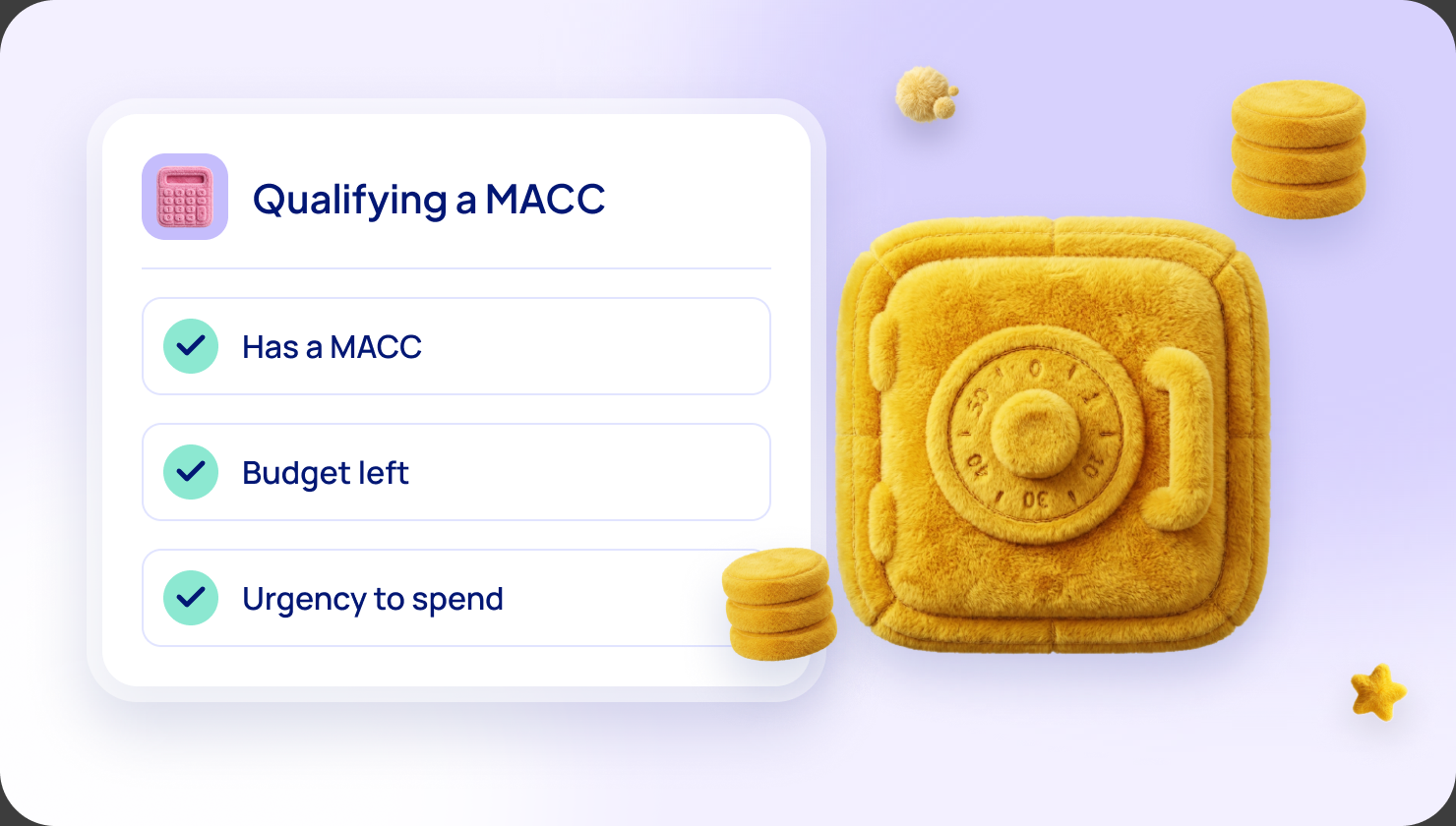
- A purchase counts toward a customer's MACC only if the offer is "Azure benefit eligible", the customer buys it in the Azure portal on a subscription tied to their agreement, and it falls inside an active MACC term. Azure IP co-sell eligibility is a prerequisite, and SaaS must run mainly in Azure. See the MACC explained.
- Incentive tiers count invoices, not orders. Microsoft's FY27 guidance says invoices go out the month after the order, so a deal closed near a deadline often counts later.
- Programs change each fiscal year. For FY27, which runs to 30 June 2027, Microsoft replaced four separate programs with one, Frontier Accelerate for Marketplace. See the FY27 incentives guide.
Ten questions to ask any vendor
- Which marketplaces do you support, and how deep is your Microsoft support? Ask to speak to a customer with live Microsoft offers, not just see logos.
- Who does the Partner Center setup, and how many hours will my team spend? Ask for the steps, the timeline and how often submissions are rejected.
- How are private offers created? Check that direct, reseller (CSP) and three-party offers can be built from your CRM, including renewals. See private offers explained.
- How do orders and payouts reconcile? Can finance match each Microsoft payout to a customer and invoice without a spreadsheet, including usage-based billing?
- What do you do for co-sell? Do you register and sync deals? Do you help choose accounts and find the Microsoft seller who owns each? How are results measured?
- Who prepares the evidence for co-sell and MACC eligibility? Will you tell me honestly if I am not ready yet?
- How do you help with resellers? Can I authorize partners, create CSP offers and recruit new partners?
- How does the CRM connection work? Is the sync one-way or two-way, and does it cover fields or only basic records?
- How do you charge, and who holds the listing? Flat fee, per user or share of revenue? What is a paid extra? If I leave, does the listing stay in my own Partner Center account?
- Who helps when something breaks? Ask about support hours, a named contact, security certificates and a reference customer of your size.
Ask any vendor to show questions 3, 4 and 8 on a live screen, not a slide. We believe a Microsoft specialist should answer questions 1, 2, 3, 5, 6 and 7 in detail, because they turn on Microsoft-specific knowledge.
Where WeTransact fits: our view
Here is why we focus on one marketplace.
“WeTransact is changing the way partnerships are being built.”
Judson Althoff, CEO, Microsoft Commercial Business
1 in 10
SaaS offers on Microsoft Marketplace already run on WeTransact
€2B+
Marketplace billed sales through our customers
5 days
to go live
3 sprints · 2h
of hands-on time from your team
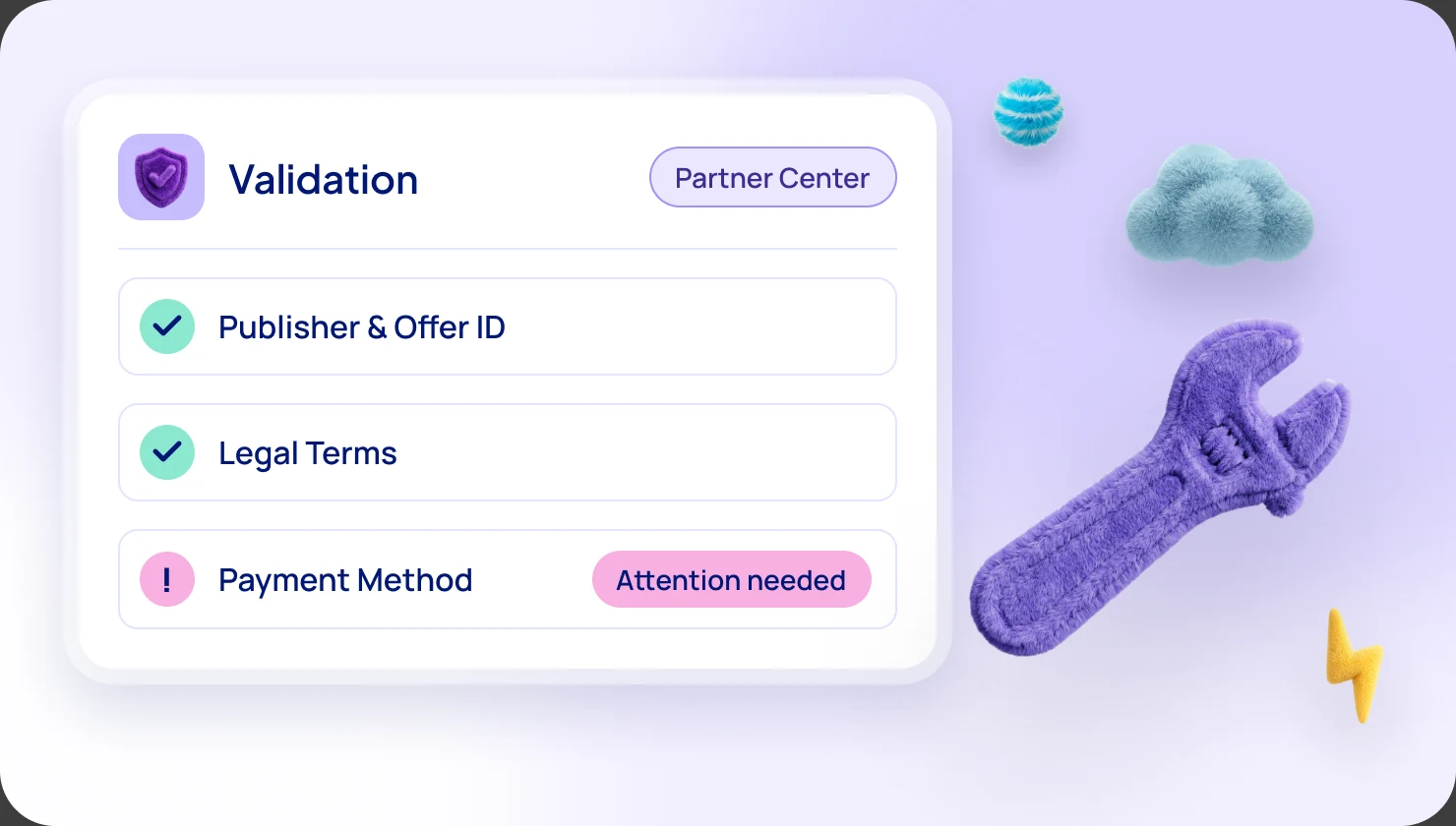
The case for focus. In our experience, Microsoft Marketplace is one of the most complex marketplaces. Microsoft validates a legal profile in about 24 hours and a payout and tax profile in about 48. Those one-time steps happen in Partner Center. Orders, payouts and day-to-day work run in our platform, with our team helping. A team that only does Microsoft can give deeper technical support on Partner Center and offer setup.
The team. Our three founders are former Microsoft employees. On Microsoft's Fast Track team for software companies and startups, we delivered 200+ marketplace projects. In our view, knowing how Microsoft sellers work matters most for co-sell and growing in other countries.
Channel and offers. For resell, you can authorize 90,000+ CSP partners and filter 8,000+ distributors and service partners to your ideal customer. Crossbeam shows account overlap, and you can create multiparty (three-way) private offers in the platform.
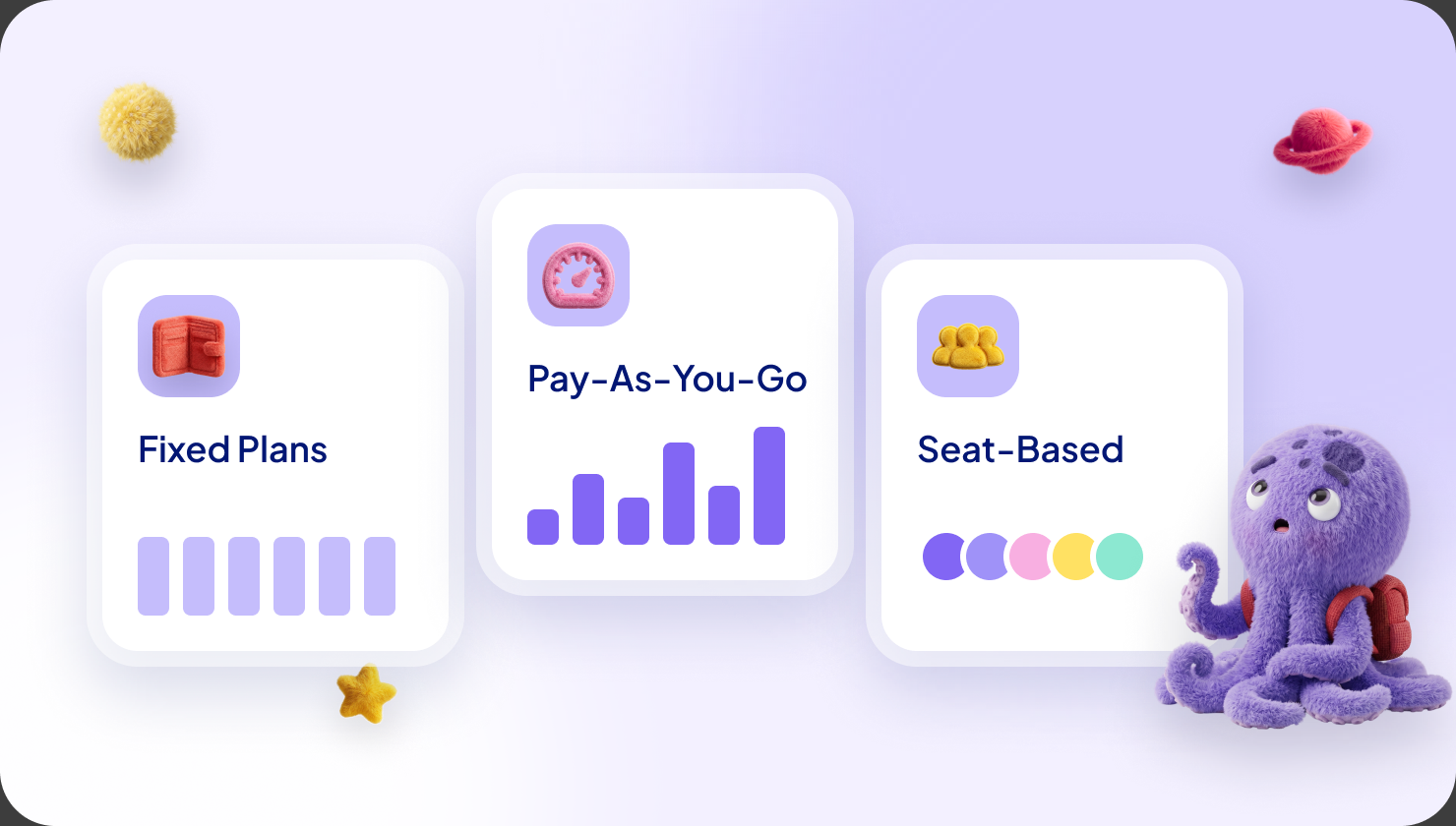
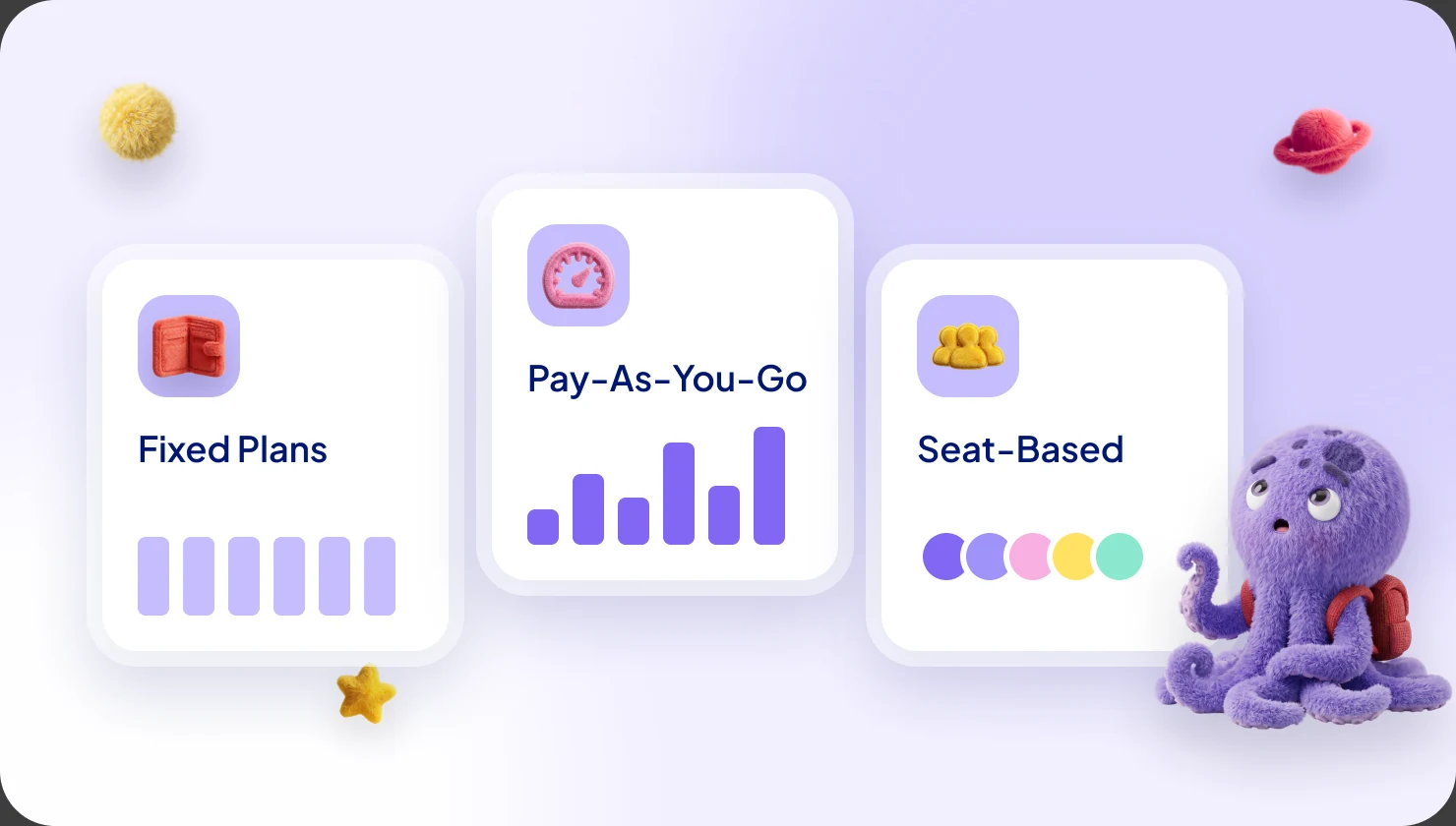
How you buy it. We have three plans: WeLaunch (self-serve, €149 per user per month), TransactCertified (guided, €12,000 per year) and TransactStellar (fully managed, €50,000 per year). All include unlimited offers and transactions with no per-deal fees. We take no share of your sales, and offers sit under your own Partner Center account.
Frequently asked questions
What is a cloud GTM platform?
Software that helps a software company list on cloud marketplaces, sell through them, and work with the cloud provider's sales teams. It is not the marketplace itself, which is the store.
Do I need one to sell on Microsoft Marketplace?
No. Microsoft provides Partner Center, programming interfaces and CRM connectors, so a team with engineers and time can do it alone.
Which cloud marketplace should I start with?
If you sell to large enterprises, we recommend starting with Microsoft. Microsoft says 95% of Fortune 500 companies are on Azure, and eligible Marketplace purchases can count toward a customer's MACC budget.
Is a Microsoft-only platform better than a multi-cloud one?
It depends on where your customers buy. A multi-cloud platform suits companies on several marketplaces. We recommend a Microsoft specialist if your buyers run on Microsoft.
How much does a cloud GTM platform cost?
Models differ: a flat yearly fee, a fee per user, or a share of marketplace revenue, and several vendors ask for a quote. Our plans run from €149 per user per month to €50,000 per year, with no per-deal fees. Microsoft's 3% fee is separate.
Will a platform get Microsoft's sellers to work with me?
No platform can promise that. Microsoft decides who is co-sell eligible, and a Microsoft seller decides whether to take part in each deal. We help you prepare, register deals and reach the right sellers.
Sources: G2 Cloud GTM Platforms category (November 2026); public pages from Fours, Tackle, Clazar and SourceForge; Microsoft Learn (marketplace APIs, private offers API, co-sell and MACC pages); Microsoft FY27 partner incentives guidance (20 October 2026); Microsoft Azure "What is Azure" page; Microsoft blog, 28 January 2025.
Want the full picture?
Everything here is also in our complete guide to Microsoft FY27 Marketplace incentives, with plain-words notes for newcomers. Get the complete FY27 guide
Not sure which incentive fits your company?
Ask for your free Microsoft Incentives Assessment: a personalized report of every incentive your company can claim, what each is worth, and the order to claim them. Free, no obligation. No Partner Center login needed to start. Ask for your free Assessment